
In emerald transactions, the degree of treatment is often an important factor in purchasing decisions. The accuracy of such descriptions depends on the examination findings and the specific definitions used in the report.
During routine testing, ALGT has observed discrepancies between the commercial descriptions of some emeralds and the filling detected in the stones. Emeralds assigned the same treatment description in different reports may exhibit different filling conditions upon examination. Such discrepancies can affect consumers’ understanding of a gemstone and create risks for dealers’ commercial decisions and reputations.
ALGT combines microscopic examination, ultraviolet luminescence observation and spectroscopic analysis to identify fillers and assess the extent of fissure filling, providing clearly worded findings to support gemstone transactions.
Why Examine Emeralds for Fissure Filling?
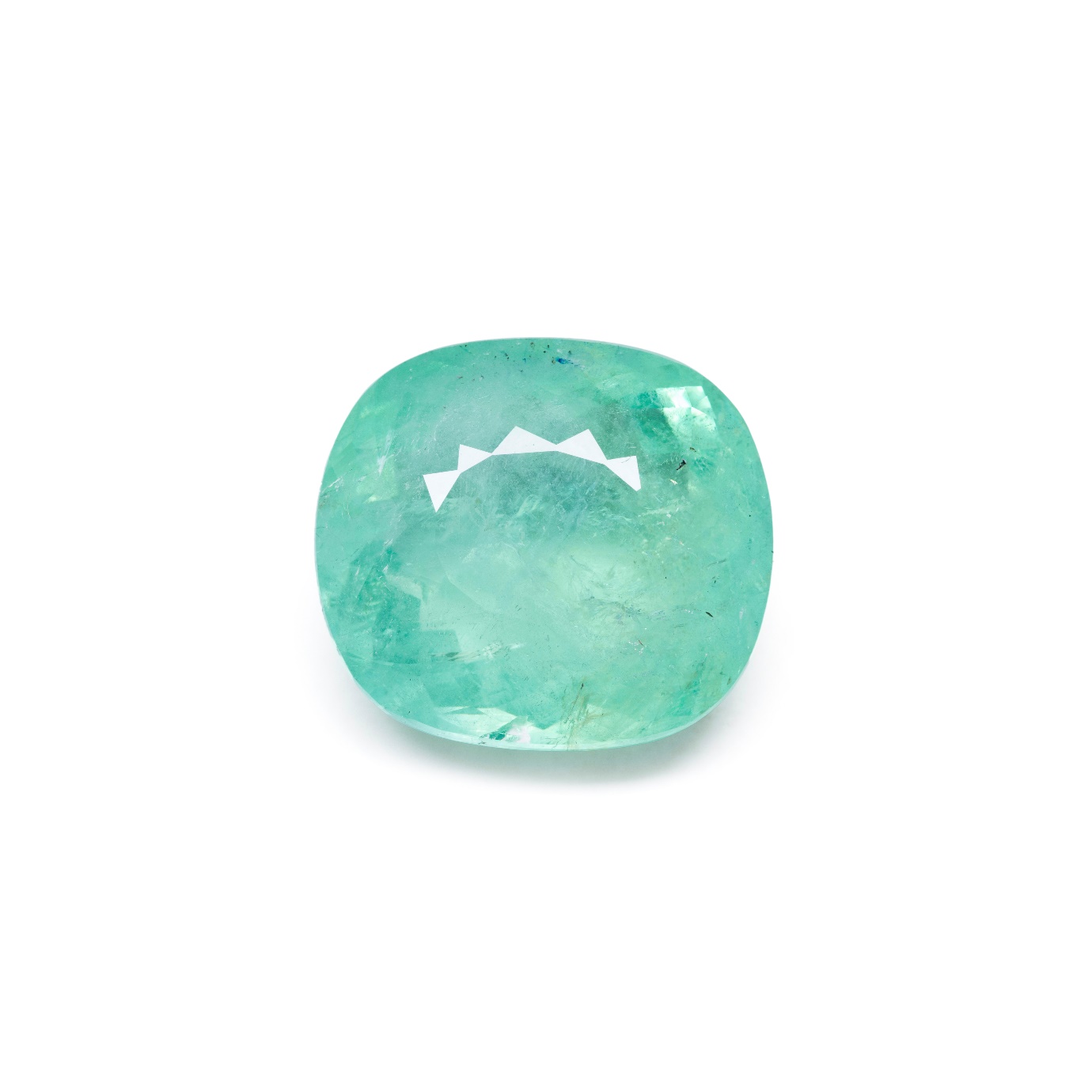
Emeralds commonly contain surface-reaching fissures. When substances such as oil, resin or wax enter these fissures, they can reduce their visibility and make the gemstone appear more transparent. An emerald that appears clean may therefore still contain filled fissures. Visual inspection with the unaided eye alone cannot establish its treatment status.
Fissure filling is a common treatment in the gemstone trade. Accurate disclosure is essential: what filler is present, and to what extent? CIBJO’s relevant guidelines require customers to be informed of such treatments.
ALGT’s Reporting Principles
ALGT refers to the Laboratory Manual Harmonisation Committee’s (LMHC) guidelines on emerald report terminology, together with the treatment disclosure principles of the World Jewellery Confederation (CIBJO), when describing a gemstone’s filling condition.
Established in 2001, LMHC primarily works to harmonise the nomenclature and wording used in gemmological reports. Its members comprise seven international gemmological laboratories: GIA, SSEF, Gübelin, DSEF, CGL, CISGEM and GIT. Harmonised terminology helps professionals across different markets understand report conclusions. It does not, however, mean that every laboratory follows identical reporting policies or will reach exactly the same assessment of treatment extent for every gemstone.
ALGT applies consistent examination and assessment principles across its laboratories in different regions. A gemstone’s price, quality or origin should not be a reason to apply more lenient or more stringent treatment assessments. Through consistent assessment criteria and clear disclosure, ALGT helps consumers understand the condition of their gemstones and supports dealers in describing their merchandise accurately.
How Does ALGT Describe the Extent of Fissure Filling?
Under ALGT’s five-category reporting system, emerald fissure-filling conditions are described as follows:
| Reporting Category | Report Wording |
|---|---|
| No indications of clarity enhancement | No indications of clarity enhancement. |
| Insignificant filling | Insignificant amount of oil/resin in fissures. |
| Minor filling | Minor amount of oil/resin in fissures. |
| Moderate filling | Moderate amount of oil/resin in fissures. |
| Significant filling | Significant amount of oil/resin in fissures. |
“Oil/resin” in the table indicates that the appropriate wording is selected according to the filler identified. It does not mean that both materials are present in every gemstone.
The assessment of an emerald’s degree of enhancement takes into account the size, extent and position of filled fissures, together with their effect on the gemstone’s appearance. The degree of enhancement must not be interpreted as the gemstone’s overall clarity grade.
The LMHC wording table and illustrations are shown in Figures 1 and 2; examples of ALGT reports are shown in Figures 3 to 6.
From Fissure Examination to Filler Identification
ALGT combines different examination methods to cross-check fissure features, filler distribution and spectroscopic evidence.
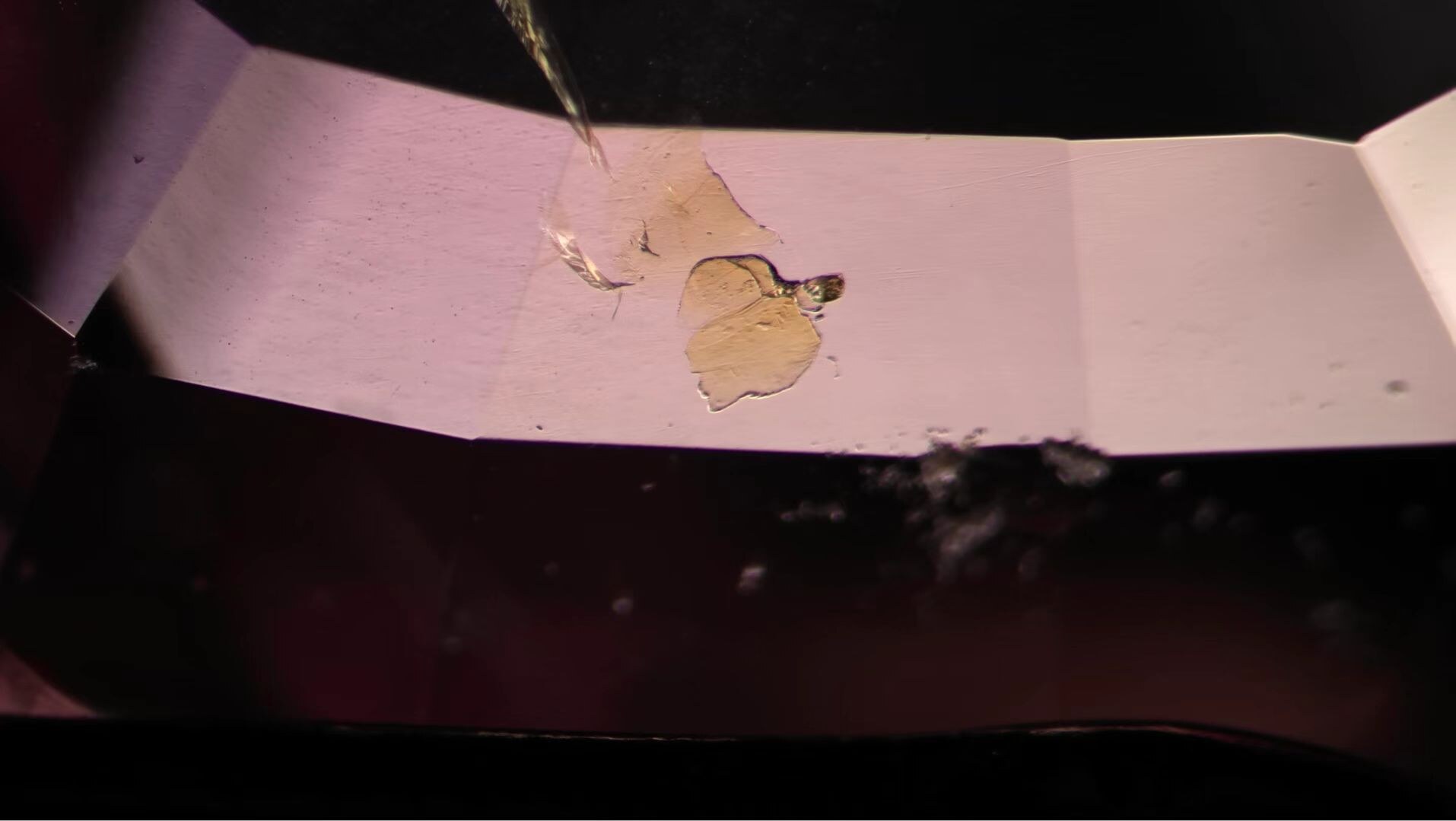
Microscopic examination is used to inspect surface-reaching fissures and document their position, extent and filling features. The laboratory then uses long-wave ultraviolet luminescence observation at 365 nm to assist in examining the distribution of certain fillers (Figure 7). As different materials may exhibit different luminescence responses, these observations must be interpreted alongside other examination findings.
Fourier-transform infrared spectroscopy (FTIR) provides evidence for identifying organic fillers such as oils and resins (Figure 8). ALGT combines the spectroscopic findings with microscopic and ultraviolet observations to reach an overall assessment of the treatment condition.
Identifying a filler and assessing the extent of filling are related but distinct tasks. The strength of an FTIR absorption signal cannot be directly converted into the total amount of oil present, nor can it determine the treatment category on its own. The reported assessment must be based on the combined examination and analytical findings.
Reports may describe filling as minor, moderate or significant. If a filler has sufficient colour to affect the gemstone’s colour, that colour modification must also be disclosed. LMHC provides different reporting terminology for these situations.
Understanding Differences Between Reports
Laboratories may have different policies for disclosing insignificant amounts of filler. When comparing two reports, it is therefore necessary to understand both their terminology definitions and their disclosure policies.
ALGT distinguishes between no indications of clarity enhancement, insignificant filling and other degrees of filling, while identifying the filler wherever the evidence permits. This helps reduce ambiguity associated with commercial shorthand. Where a sales description differs from the laboratory findings, further verification should be based on the examination evidence.
Reports Reflect the Condition at the Time of Examination
Fillers in emeralds may be removed, replaced or reintroduced. A report therefore describes the gemstone’s condition at the time of examination and cannot, by itself, establish that no further treatment has taken place since testing.
Re-examination can provide updated findings when a gemstone’s appearance changes, after cleaning or further treatment, or when its current condition needs to be confirmed for a transaction. Some fillers may also be affected by high temperatures or chemical agents. Treatment information should therefore be considered when wearing, cleaning or repairing emerald jewellery.
Through consistent examination principles, filler identification and clear descriptions of filling extent, ALGT aims to make emerald treatment information easier to understand accurately. Consumers gain a clearer basis for purchasing decisions, while dealers can support product descriptions and commercial discussions with verifiable laboratory findings.
Figures
Click any image to enlarge